The short version
- Water-repellent coatings ran on fluorinated chemistry for decades. California's textile PFAS ban, phasing in since January 2025, plus retailer policies ended that.
- PFAS-free DWR sheds rain fine when fresh. It wears off faster and handles oils poorly, so plan on re-treating about once a year.
- The membrane changed too: Gore-Tex is moving from its fluoropolymer ePTFE to a polyethylene ePE membrane.
- Keep wearing the old jacket. Using it up beats sending it to a landfill early.
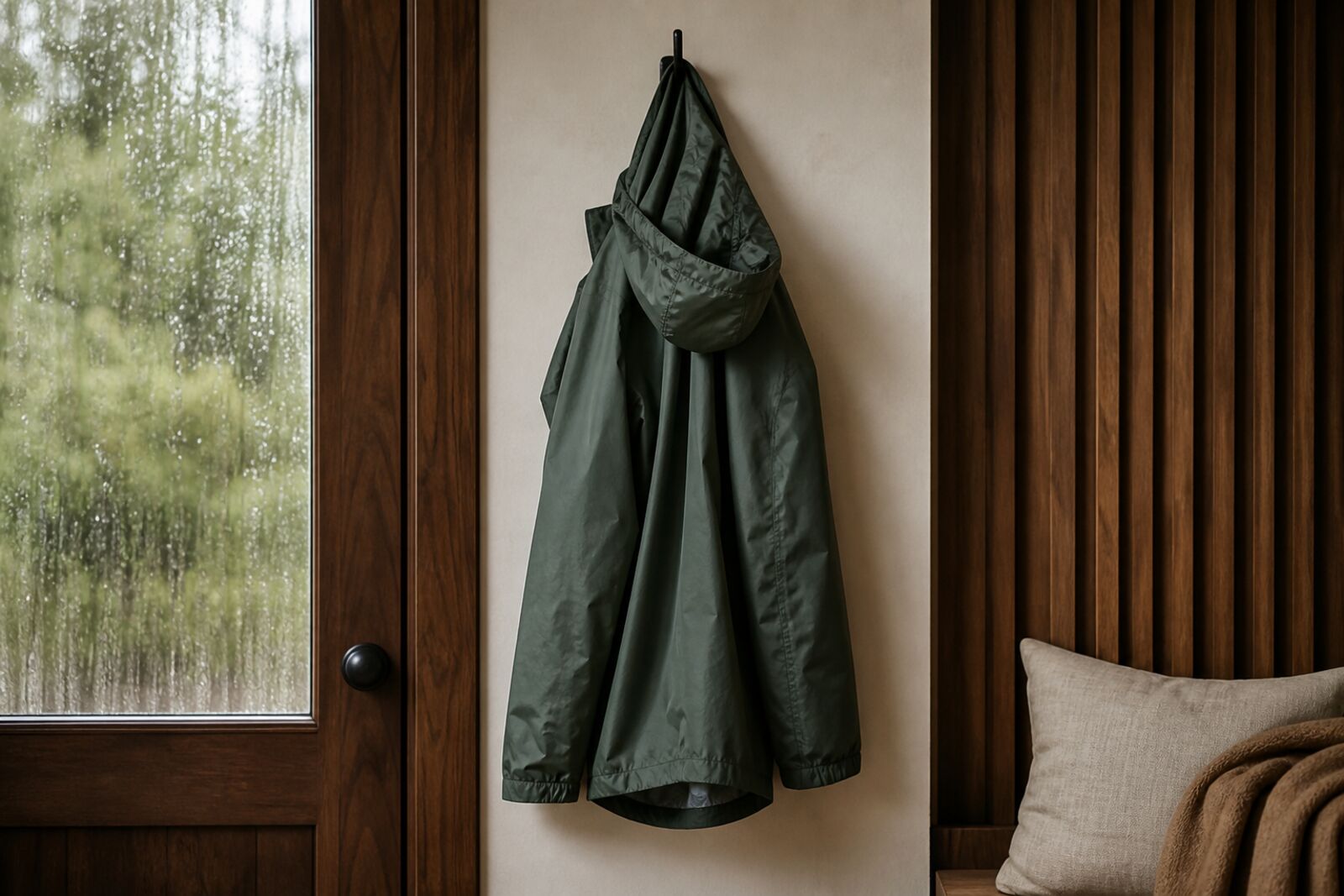
That bead of water rolling off your rain shell was, for roughly half a century, fluorine at work. The durable water repellent (DWR) coating on almost every technical jacket was built from PFAS, the "forever chemicals," because nothing else sheds water and oil so well or lasts so long. That's also the problem. The same molecular stubbornness that keeps rain off a sleeve keeps the chemistry circulating in water, soil and blood tests, effectively forever.
Between roughly 2022 and 2025, the outdoor industry finally gave it up. Here's what actually changed, what forced it, and what the PFAS-free label costs you in performance.
Two jobs, two parts: membrane vs. DWR
A waterproof-breathable jacket has two separate pieces of chemistry, and the distinction matters when you're reading marketing. The membrane, laminated inside the fabric, is what actually blocks water: classic Gore-Tex is expanded PTFE, which is itself a fluoropolymer. The DWR is a thin coating on the outer face fabric. It doesn't waterproof anything; it makes water bead and roll off so the face fabric doesn't soak through and the membrane can keep breathing. When a jacket "wets out" and feels clammy, the DWR has died, not the membrane.
Both parts had a PFAS problem, and both are being replaced. DWRs have moved to non-fluorinated chemistries, and Gore introduced an expanded polyethylene (ePE) membrane, free of intentionally added PFAS, that's been spreading through Gore-Tex product lines, including the Pro tier, as the ePTFE era winds down.
The industry did try a half-fix first. When the long-chain PFAS behind the original DWRs (the C8 family) became infamous, brands shifted to short-chain C6 versions and called it progress. The shorter chains clear the body faster but persist in the environment all the same, and regulators eventually stopped honoring the distinction. The lesson stuck: the way out was off the fluorine tree entirely, not onto a lower branch.
What actually forced the change
Not consumer vibes. Law and purchasing power. California's AB 1817 has banned new textiles containing intentionally added PFAS, measured as total organic fluorine above 100 parts per million, since January 2025, with the threshold dropping to 50 ppm in 2027 and New York running its own parallel ban. Gear built for severe wet conditions got an extension to 2028, but it has to carry a PFAS disclosure in the meantime. The EU has been applying its own pressure on the chemistry.
Retail moved in step. REI's product standards banned PFAS from the textiles and cookware it stocks starting in fall 2024, with expedition-level apparel given until fall 2026, which turned a regulation into a purchase-order requirement for over a thousand brands. And Patagonia, after years of public chemistry work, reached its target of making all styles without intentionally added PFAS as of its Spring 2025 season. When the biggest specialty retailer and the industry's conscience both draw the line, suppliers stop debating.
Shopping it today is simpler than it's ever been, because the claims finally got specific. Look for "made without intentionally added PFAS" or the ePE membrane name on the spec sheet, and remember that gear still using the old chemistry under the severe-weather exemption has to disclose it. If a product page is vague about all this in 2026, the vagueness is information.
The tradeoff nobody is hiding
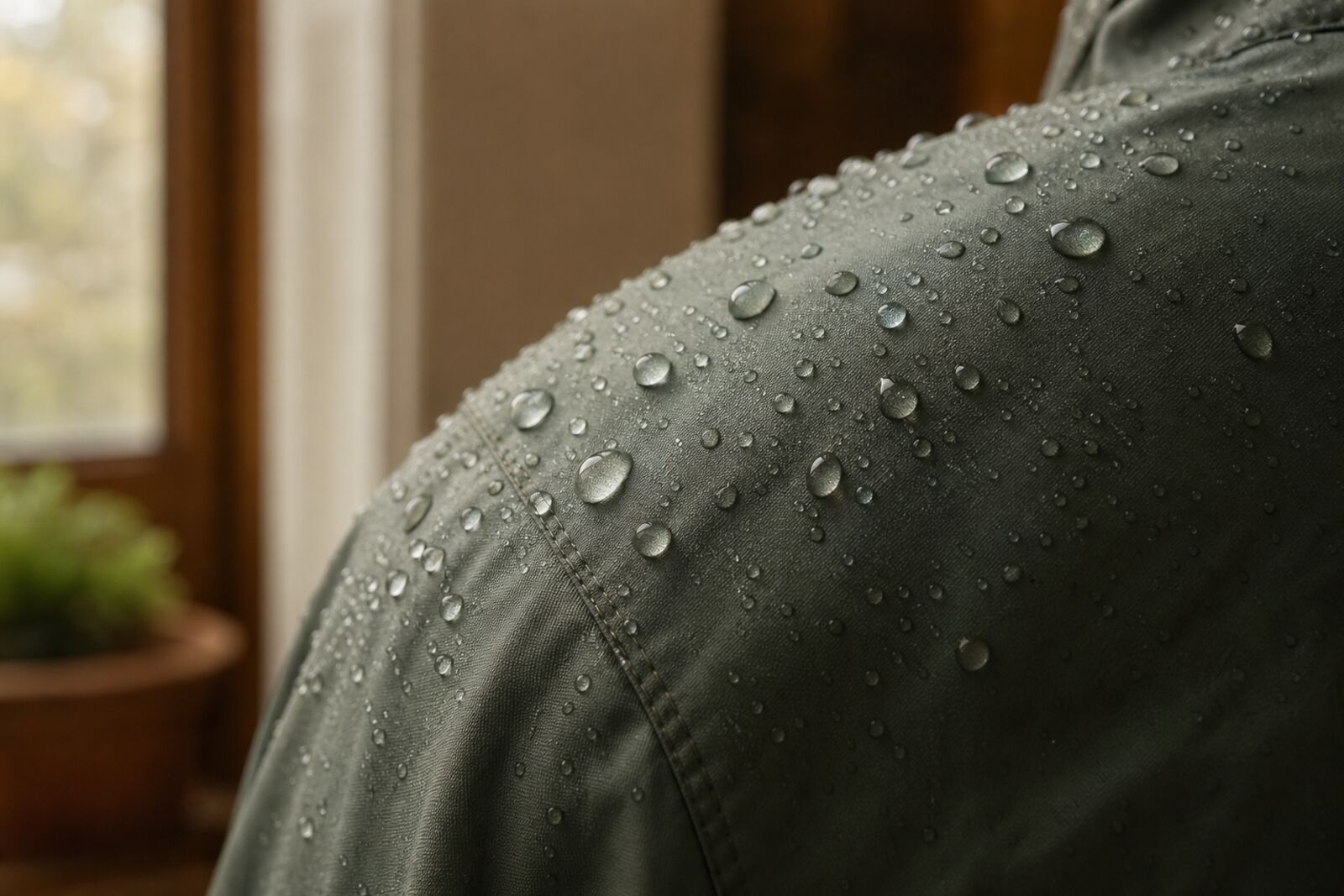
Here's the honest part. Fluorinated DWR was that good, and its replacements are not its equal. The PFAS-free coatings shed water well when fresh, but they're worse at repelling oils, so skin oils, sunscreen and grime degrade them faster, and they generally wear off sooner. Independent gear testing and the brands' own care pages agree on the practical consequence: your jacket will wet out sooner than the old one did, and maintenance stops being optional.
The routine is cheap and slightly annoying. Wash the shell regularly (dirt kills any DWR), tumble dry on low or iron gently to revive the finish, and re-treat when water stops beading, with something like Nikwax TX.Direct, a wash-in reproofer from a company that never used fluorinated chemistry in the first place. Figure on reproofing about once a year with regular use, more if you live in it. Total cost, maybe fifteen dollars and one laundry cycle annually.
Keep the tradeoff in perspective: for commuting, dog walks and ordinary hiking, a maintained PFAS-free shell is entirely adequate. The people with a genuine gripe are the ones in multi-day alpine weather, which is why the regulations carved out expedition gear on a slower clock.
What to do with the fluorinated jacket you own
Nothing dramatic. The PFAS in your old shell was made years ago; binning the jacket doesn't unmake it, it just moves it to a landfill and puts a new jacket's manufacturing footprint on your tab. The concern that drove regulation was environmental persistence and releases across manufacturing and disposal, not acute risk to the person wearing a finished garment. Wearing it out is the most responsible thing you can do with it. One caveat worth knowing: aftermarket reproofers like Nikwax are non-fluorinated, so maintaining the old shell at least stops adding to the total.
Repair it when it tears (Patagonia's Worn Wear program will even do it for you, though turnaround can be slow in peak season), keep reproofing it, and when it genuinely dies, replace it with a PFAS-free one. By then that will barely be a choice; it will just be what's on the rack.
Bottom line
Make your next shell a PFAS-free one and budget for a fifteen-dollar reproofing once a year; that's the whole cost of the transition. Don't landfill a functioning fluorinated jacket to feel virtuous, because using it up beats replacing it. The forever-chemicals problem in rainwear was industrial, and it got fixed where it belonged: at the factory.