The short version
- The July 2024 study found measurable metals, lead included, in all 30 tampons tested. "Measurable" was carrying that entire headline.
- It measured total content by dissolving tampons in acid. It didn't measure what leaches out during wear or what a body absorbs.
- Organic tampons had metals too, with arsenic a bit higher in some. Organic is a farming claim, not a purity certificate.
- FDA follow-up testing found metal release from tampons too low to raise safety concerns. Keep your routine.
In July 2024, "lead in tampons" did a lap around every group chat in America. The study behind the headlines was real, peer-reviewed, and genuinely the first of its kind. It's the headlines that needed a second draft.
What the researchers actually did
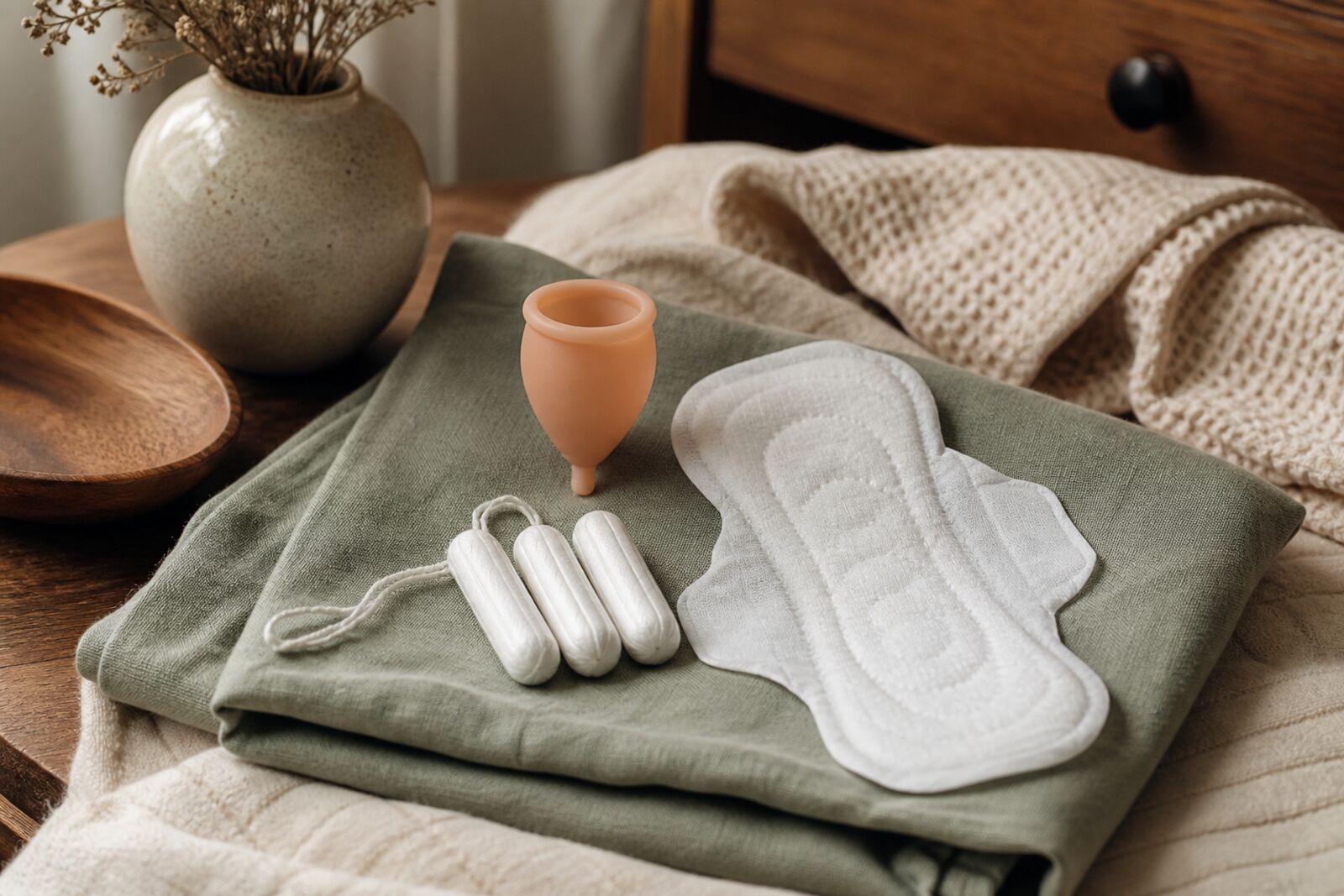
A team from Columbia, UC Berkeley, and Michigan State bought 30 tampons covering 14 brands and 18 product lines, sold in the US, UK, and EU, and published their results in the journal Environment International. It was the first study to measure metals in tampons at all, which is itself the striking part: tampons are regulated as medical devices in the US, yet nothing required anyone to run this test before 2024.
The method matters more than anything else in this story. The researchers dissolved tampon material in acid using a microwave digestion system, then measured 16 metals with a mass spectrometer. That technique counts every atom locked anywhere in the fibers.
The results: measurable levels of all 16 metals somewhere in the product set, and lead in every single tampon tested, averaging around 120 nanograms per gram. That's about 0.12 parts per million. Arsenic and cadmium showed up too, at a few parts per billion.
Alarming sounding, until you remember what "measurable" means in a modern lab. Today's instruments can find almost anything in almost anything, which is why detection alone was never the interesting question. The interesting question is whether the metal moves, and how much of it reaches you.
The three steps every headline skipped
For the lead in a tampon to hurt you, three things have to happen in order. It has to leach out of the fiber during a few hours of wear, and being dissolved in hot acid tells you nothing about that. Whatever leaches has to be absorbed through vaginal tissue. And the absorbed amount has to be big enough to matter against everything else you encounter daily in food, water, and dust.
The 2024 study measured none of those steps, and to the authors' credit, they said so plainly and called for exactly that follow-up research. At publication time there was no data on how much, if any, of the metal content ever leaves the fiber during use. "We found metals locked in cotton" and "tampons are poisoning people" are separated by three unproven steps, and the scariest headlines skipped all three.
For scale: the FDA's guidance ceiling for lead as an impurity in cosmetics, including lipstick that people swallow small amounts of daily, is 10 parts per million. The average total content in the tampon study was about 80 times lower than that, in a product that isn't eaten and gets removed after a few hours.
None of this hand-waves lead itself. Public health treats it as a metal with no known safe exposure level, and the FDA's Closer to Zero program exists because trace lead turns up across the food supply. That's the argument for doing the follow-up science quickly. It is not an argument for panicking about a product before anyone had measured step one.
The organic plot twist
Our favorite detail in the whole paper: organic tampons were not cleaner. Lead ran somewhat higher in the non-organic samples, but arsenic ran higher in some of the organic ones, and no category, organic or conventional, name-brand or store-brand, came out consistently lower across the board.
That's not a scandal once you remember what cotton is: a plant, grown in soil, on a planet where a century of leaded gasoline and paint left the stuff everywhere. Plants take up what's in the dirt, whatever the farming certification says. The study's authors pointed at the same suspects, from growing conditions and water to the manufacturing process itself. The organic label is a claim about farming practices, mostly pesticides and inputs. It was never a purity certificate, and this study is as clean a demonstration of that as you'll ever see.
What the FDA did next, and what it found
That September, the FDA announced two moves: an independent review of the published research on metals in tampons, and its own laboratory study, designed to measure not just what metals tampons contain but what they release under conditions meant to resemble actual use. That distinction is the entire ballgame, and it's the part the original study couldn't address.
The agency's bench testing covered 11 tampon products legally sold in the US. The reported result: the amounts of metal released were low to undetectable, too low to raise safety concerns. The boring sequel never trends, but that's the ending. The follow-up got done, and the alarm didn't survive contact with it.
If you want to change something anyway
Nothing drastic is warranted, but two swaps genuinely reduce unknowns rather than just relocating anxiety.
First, go unscented. Fragrance in a tampon or an intimate wash adds an undisclosed chemical mixture to a part of the body with zero need for one, and unlike trace metals in cotton, that ingredient is optional and free to remove. The same one-word fragrance loophole we flag in lotions and perfume applies to period products too, so this is the rare worry you can eliminate completely at no cost.
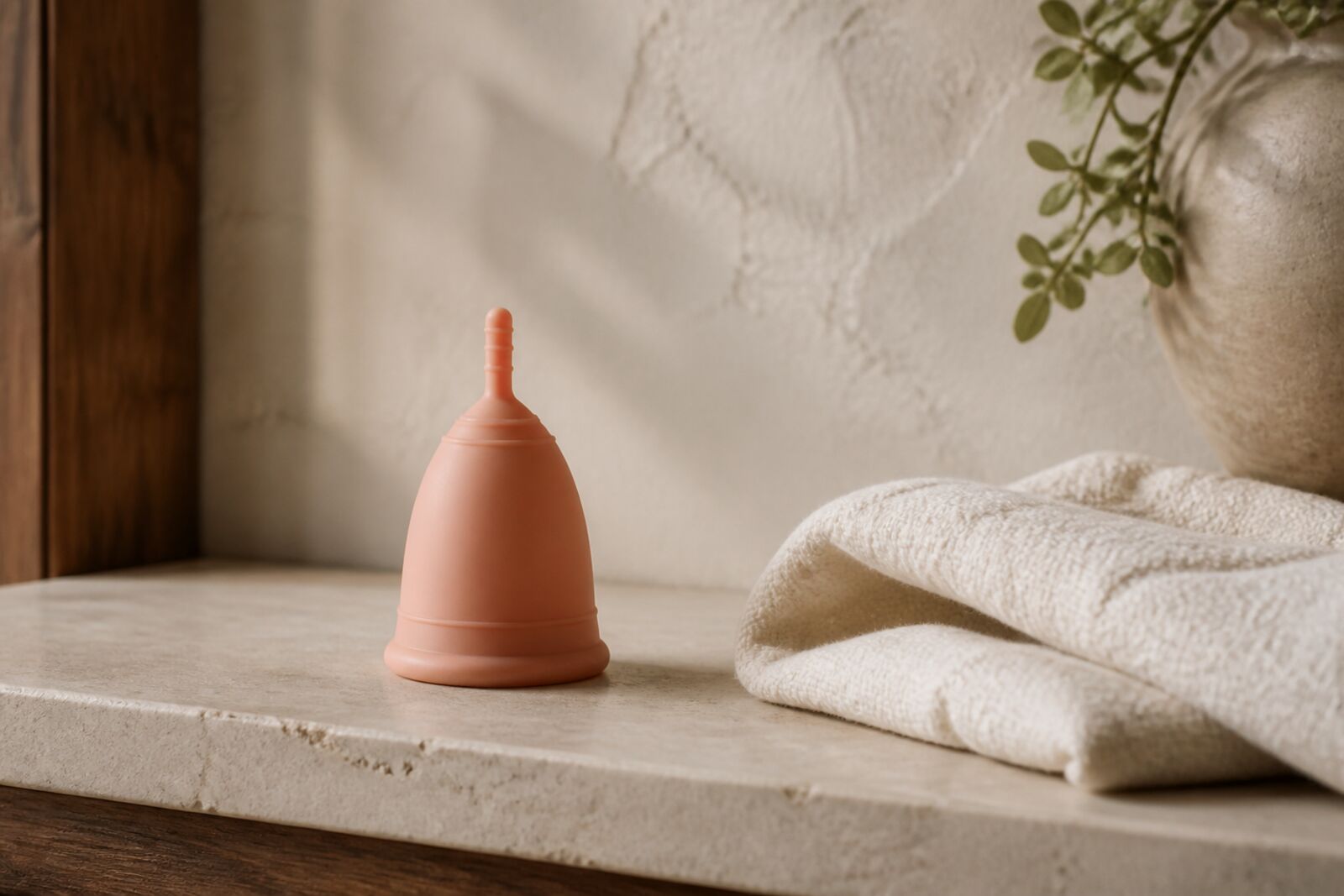
Second, if you want the simplest material story on the market, menstrual cups are a single piece of medical-grade silicone, reusable for years. Established options like DivaCup and Saalt are easy to find, and honesty requires the caveat: the learning curve is real, and the first cycle or two can be clumsy.
Bottom line
Keep using tampons. The 2024 study identified a research gap, not a poisoning, and the FDA's follow-up testing found metal release too low to raise safety concerns. If the unknowns still bug you, go unscented or try a silicone cup, and spend the recovered worry on something with better evidence behind it.