The short version
- Thinx marketed period underwear as organic and nontoxic. Independent testing found fluorine in the crotch lining, and a class action settled for about $4 million in 2023.
- Crowd-funded testing in 2022 found fluorine, a PFAS indicator, in 15 of 23 sports bras and 8 of 32 leggings tested.
- Those screens detect total fluorine, not confirmed compounds or doses. Detectable is not the same as dangerous.
- The pressure worked and the category is much cleaner. Favor brands that publish test results, and don't trash what you own.
In early 2020, Sierra magazine sent pairs of Thinx period underwear to Graham Peaslee, a University of Notre Dame physicist who screens consumer products for fluorine. Fluorine is the fingerprint element of PFAS, the "forever chemicals" industry loves because they repel water and oil and never break down. Peaslee found it concentrated in the crotch lining of underwear marketed as organic, sustainable and nontoxic. The organic cotton brief measured 3,264 parts per million; a style sold for teens measured over 2,000.
For a brand whose entire pitch was that you could trust what sat against your body for days every month, that was a bomb. It went off slowly, then all at once.
The lawsuit, and what it did and didn't admit
A class action followed within months of the Sierra story. It settled: a roughly $4 million fund covering most Thinx styles bought between November 2016 and November 2022, with final court approval on June 8, 2023. Thinx admitted no wrongdoing, which is standard in settlements. But it agreed to the part that actually mattered: PFAS will not be intentionally added to its underwear, and it will monitor raw materials to keep things that way.
Note the word "intentionally." Nobody proved Thinx poured PFAS into its product on purpose. Treatments can arrive through a supplier's moisture-wicking finish, a mill's stain-resistant coating, or contamination somewhere upstream. That's an explanation, not an excuse. If the label says nontoxic, checking the supply chain is the brand's job, and the settlement effectively priced what skipping it costs.
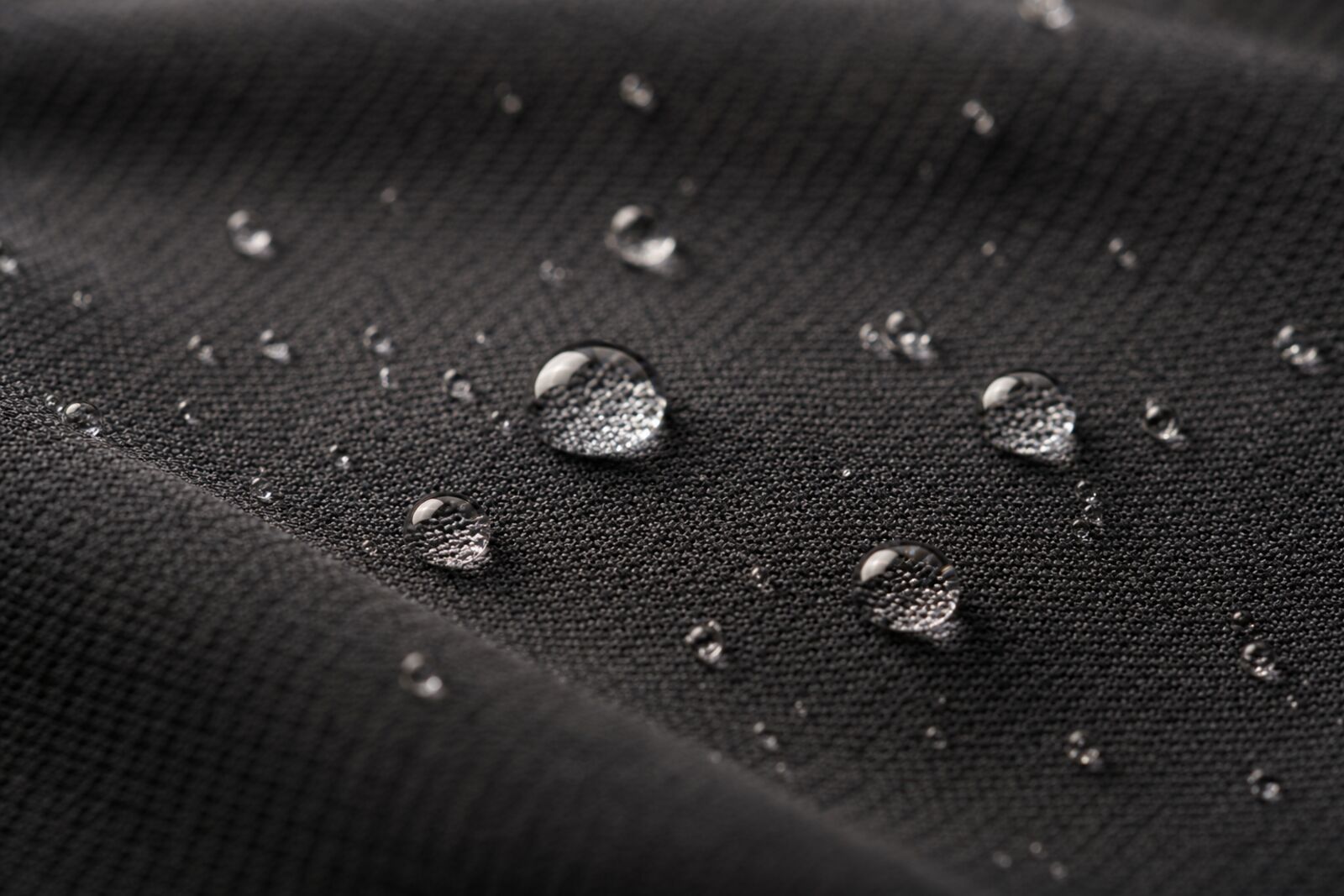
Why would a fluorinated chemical be anywhere near underwear in the first place? Because PFAS is the textile industry's favorite way to make fabric repel liquids and resist stains, and period underwear and activewear are sold almost entirely on the promise of staying dry. A finish that keeps a surface feeling dry is exactly the kind of treatment a supplier might apply routinely, without the brand ever asking hard questions about what's in it.
Then the crowd tested everything with a waistband
The Thinx story set off a wave of independent testing, much of it reader-funded, aimed at the rest of the tight-and-sweaty category. In 2022 the consumer site Mamavation, working with Environmental Health News (which partially funded the lab work; its chief scientist Pete Myers reviewed the findings), sent activewear to an EPA-certified lab for fluorine screening.
The results made headlines of their own: detectable fluorine in 15 of 23 sports bras, at levels from 10 to 58 parts per million, and in 8 of 32 pairs of leggings and yoga pants, at up to 284 parts per million. Bras made of synthetic fabrics were more likely to show detections than cotton ones. Well-known brands appeared on the detect list, and the follow-up coverage was rough on them. Statements were issued. Suppliers were dropped. Retesting was commissioned, fast.
What a fluorine number can and can't tell you
Here's the part many scary headlines skipped. These screens measure total fluorine, which is an indicator that some fluorinated substance is present. They do not identify which PFAS compound it is, whether it was applied deliberately or drifted in as contamination, or what dose, if any, reaches your body. A screen is a smoke detector, not a fire report.
Scale got flattened too. The sports bra detections ran 10 to 58 ppm. The Thinx crotch reading was over 3,000. "Detectable" covered both, and plenty of social media treated them as the same story, which is exactly the fear math this site exists to push back on.
The honest scientific position on absorbing PFAS through skin from fabric is that it's poorly characterized. Dermal uptake appears far less efficient than ingestion, and drinking water is where the strongest human health evidence lives. The best case for getting PFAS out of clothing was never that your bra was poisoning you. It's that these chemicals persist in the environment forever, they escape during manufacturing and washing and disposal, and a stretchy garment gains nothing from them that justifies that.
Where the category stands now
The pressure worked, faster than these things usually go. Brands reformulated, supplier contracts sprouted PFAS clauses, and period underwear makers in particular started publishing third-party fluorine results, because the survivors understood that trust was the product. Regulation then locked in the retreat: California's AB 1817 has banned intentionally added PFAS in most new apparel sold in the state since January 2025, measured as total organic fluorine above 100 parts per million and tightening in 2027, with New York running a parallel ban. What was a differentiator in 2022 is turning into the legal floor.
One irony deserves naming: "PFAS-free" is itself a marketing claim, and it needs verification exactly the way "nontoxic" did in 2019. The difference between a brand that says it and a brand that shows it is a published test report with a number on it. Reward the ones that show it.
If you're shopping the category today, the checklist is short. Look for a brand that names its testing (a fluorine result with a number beats a badge), check whether the retailer has its own PFAS policy, and treat vague copy like "free from harmful chemicals" as the fluff it is. Cotton-heavy styles also start with better odds; the 2022 testing found synthetics far more likely to carry detections.
As for the drawer you already own: there's no solid exposure case for throwing out functioning sports bras and leggings, and replacing them has environmental costs of its own. If a specific pre-2023 product bothers you, replace that one and move on. The rest can earn their retirement the normal way.
Bottom line
The Thinx scandal was real, the fix mostly happened, and this category is far cleaner than it was in 2020. Buy from brands that publish third-party test results rather than just printing "PFAS-free" on the tag. Keep wearing what you own; the case for binning a functioning sports bra was never there.