The short version
- The Stanley lead pellet is sealed under stainless steel at the base of the cup and never touches your drink. Public health experts put the risk at practically zero.
- The quieter, realer risk: lead glaze on old, imported, or artisanal ceramics meeting acidic food, meal after meal.
- Home swab kits routinely miss lead sealed under intact glaze. A negative swab on a dish is not a clean bill of health.
- Keep the tumbler. Retire crude, antique, or worn hand-painted ware from daily food duty, especially anything acidic.
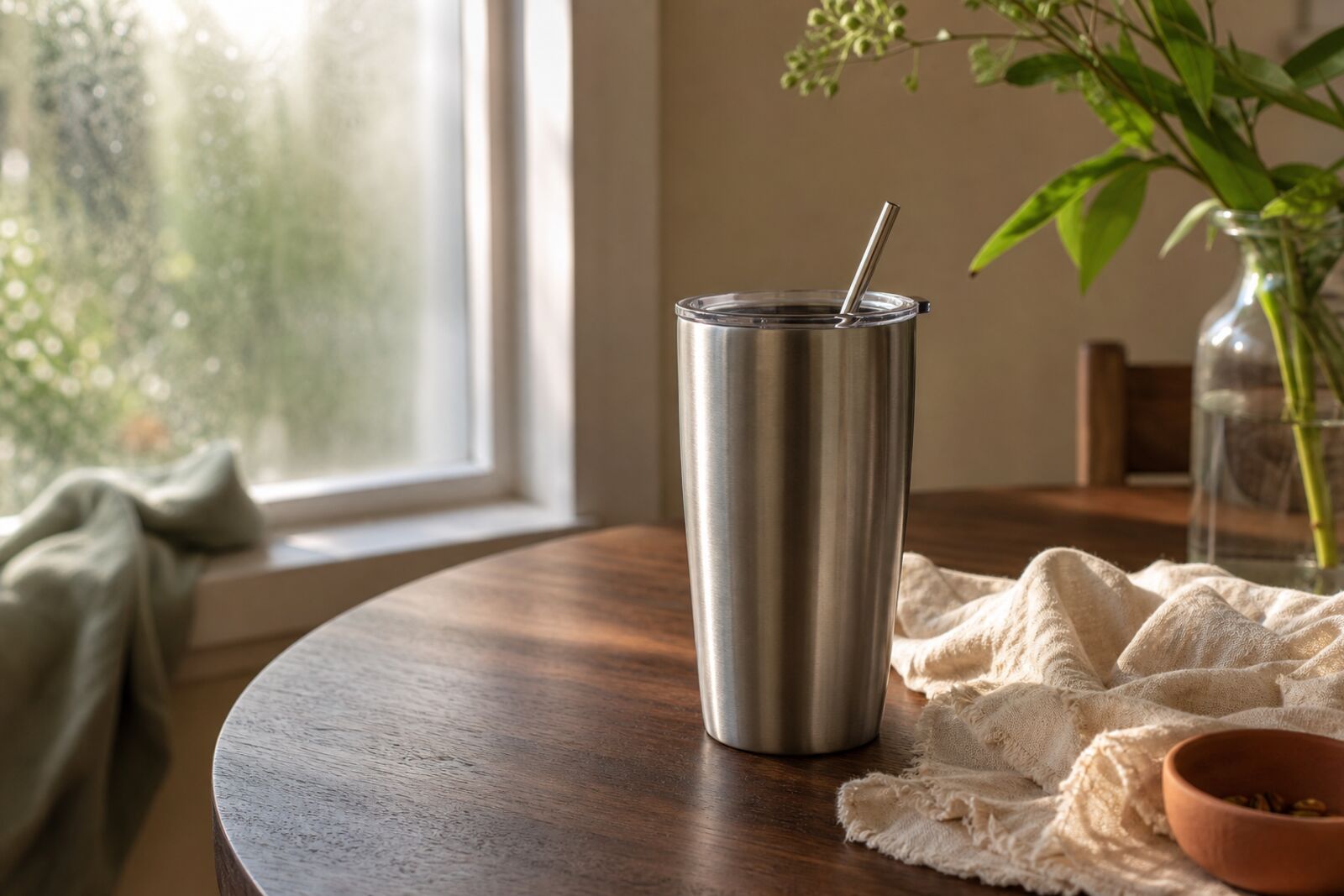
In January 2024, TikTok discovered that the Stanley Quencher, that winter's 40-ounce emotional support accessory, contains lead. Videos of home lead swabs turning pink racked up millions of views. Stanley confirmed it: like most vacuum-insulated bottles, each Quencher is sealed at the factory with a small pellet that contains lead, then covered with a stainless steel cap at the base.
The panic was enormous. The exposure, as it turns out, was not. And while everyone was swabbing their tumblers, the actual lead risk in most kitchens sat untouched in the china cabinet.
The pellet at the bottom of the cup
Vacuum insulation requires pulling air out of the gap between two steel walls, then plugging the hole. Industry-wide, that plug has long been a pellet containing lead, sealed under the steel base where it never contacts your drink or your hand. The only scenario where it's reachable is if the bottom cap somehow comes off, which is rare and which Stanley treats as a warranty defect.
Jack Caravanos, a professor of environmental public health sciences at NYU who studies lead exposure, said it plainly on the TODAY show that January: there is practically zero risk of ingesting any of the lead in the cup. Class action lawsuits were filed anyway starting in February 2024, arguing Stanley should have disclosed the pellet. In January 2025, a federal judge dismissed the consolidated complaint, finding the plaintiffs hadn't shown a plausible risk of harm from the sealed lead.
We'd still prefer manufacturers move on from lead pellets entirely, and some bottle makers advertise lead-free sealing. But as kitchen risks go, a sealed pellet under welded steel is about as close to zero as lead gets.
Meanwhile, in the china cabinet
Now for the version of this story that never goes viral. Lead compounds were a standard ingredient in ceramic glazes for centuries because they make colors vivid and finishes glassy. The FDA only began enforcing limits on leachable lead in dinnerware in 1971, and those limits have tightened repeatedly since. Anything made before then, and plenty of imported or artisanal ware made since, played by no such rules.
Unlike the pellet in a tumbler base, glaze is the surface your food sits on. When the glaze contains lead and the food is acidic, tomato sauce, citrus, vinegar, wine, coffee, the acid pulls lead out. Researchers testing lead-glazed pottery sold near the Mexico-US border found that cooking acidic food in it extracted roughly nine times more lead than non-acidic food. The FDA maintains standing guidance about traditional pottery for exactly this reason.
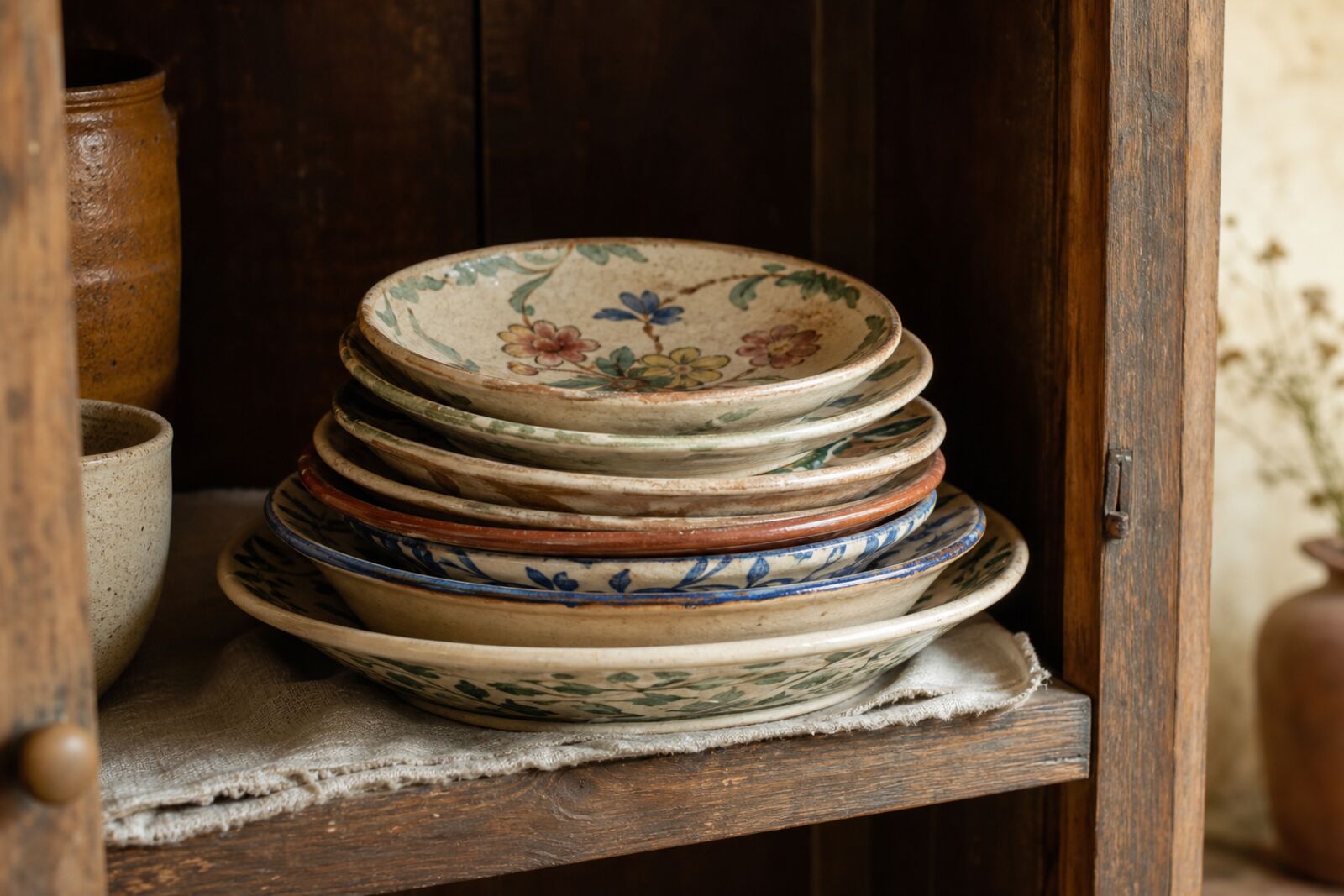
The risk profile the FDA flags is specific: handmade pottery with a crude or irregular glaze, antique and inherited pieces, damaged or excessively worn dishes, ware bought from flea markets or street vendors, and highly decorated surfaces that touch food. Your grandmother's hand-painted platter can check four of those boxes at once. The dose logic matters too: this isn't one viral scare, it's a little bit of lead with dinner, repeatedly, for years. There's no blood lead level considered safe, which is why the CDC treats any avoidable ongoing exposure as worth avoiding, especially for kids and during pregnancy.
Mugs deserve their own line, because they're the sneaky daily-dose vehicle: coffee is acidic, it's hot, and it sits in the same artisanal glazed mug every single morning. A crudely glazed souvenir mug is a worse bet than a fancy platter you use twice a year. Same logic for leaded crystal, the other heirloom in this story: fine for pouring wine at dinner, a bad place to store whiskey for months, since long acidic contact is exactly what pulls lead out.
Why your swab kit might lie to you
Here's the frustrating part: the home swab kits that lit up on Stanley bases work poorly on exactly the dishes you'd want to check. Swabs were designed for lead paint. On fired ceramic, lead is often bound inside or beneath an intact glassy glaze where a surface swab can't reach it, so high-lead dishes routinely swab clean. Published testing of home kits on ceramic dinnerware has found their reliability spotty.
So use the asymmetry. A positive swab on a dish is worth believing: stop using that piece with food. A negative swab proves very little. For a real answer you need XRF testing (some local health departments and lead-safe programs offer it) or a lab leach test. For a $6 thrift-store plate, the honest math is that testing costs more than the plate: when in doubt, demote it to decor.
The ten-minute cabinet sort
Keep in daily service, no anxiety required: modern commercial dinnerware from major brands, plain white restaurant-style ware, anything sold in the US market in recent decades by a company subject to FDA limits and California's Prop 65 enforcement. And yes, the insulated tumbler.
Retire from food duty, or at least from acidic and everyday use: pre-1970s ware, hand-painted or gilded pieces where the decoration sits on the food surface (especially if it's visibly worn, which means it's been going somewhere), crudely glazed artisanal pottery of unknown origin, and any glaze that's crazed, chalky, or dusty to the touch. They can hold keys, display oranges, or hang on a wall. Lead on the shelf is decor. Lead under your marinara, every week for a decade, is exposure.
One honest note in the other direction: an heirloom used twice a year for turkey and mashed potatoes is a far smaller dose than the same platter used daily for citrus and tomato. If Thanksgiving on the family china is non-negotiable, that's a defensible indulgence for adults. Daily use around small children isn't.
Bottom line
Keep the tumbler; the sealed pellet at its base was a viral panic, not a real exposure. Retire antique, hand-painted, crudely glazed, or worn ceramics from everyday and acidic-food duty, especially around kids, because a swab can't clear them and the dose repeats daily. Test with XRF if a piece matters to you; otherwise let it be beautiful somewhere other than under your food.