The short version
- US sleepwear rules (16 CFR 1615 and 1616) give makers two paths: resist flame, or fit snugly. The yellow tag marks the snug path. No chemicals involved.
- The genuinely scary stuff, brominated tris, was banned from kids' sleepwear in 1977. That episode is why the fear persists, and it's nearly 50 years out of date.
- Today's "flame resistant" pajamas are mostly polyester that resists fire on its own, not chemically soaked cotton.
- Snug-fit 100 percent cotton with the yellow tag sidesteps the entire debate. The real hazard is the oversized T-shirt.
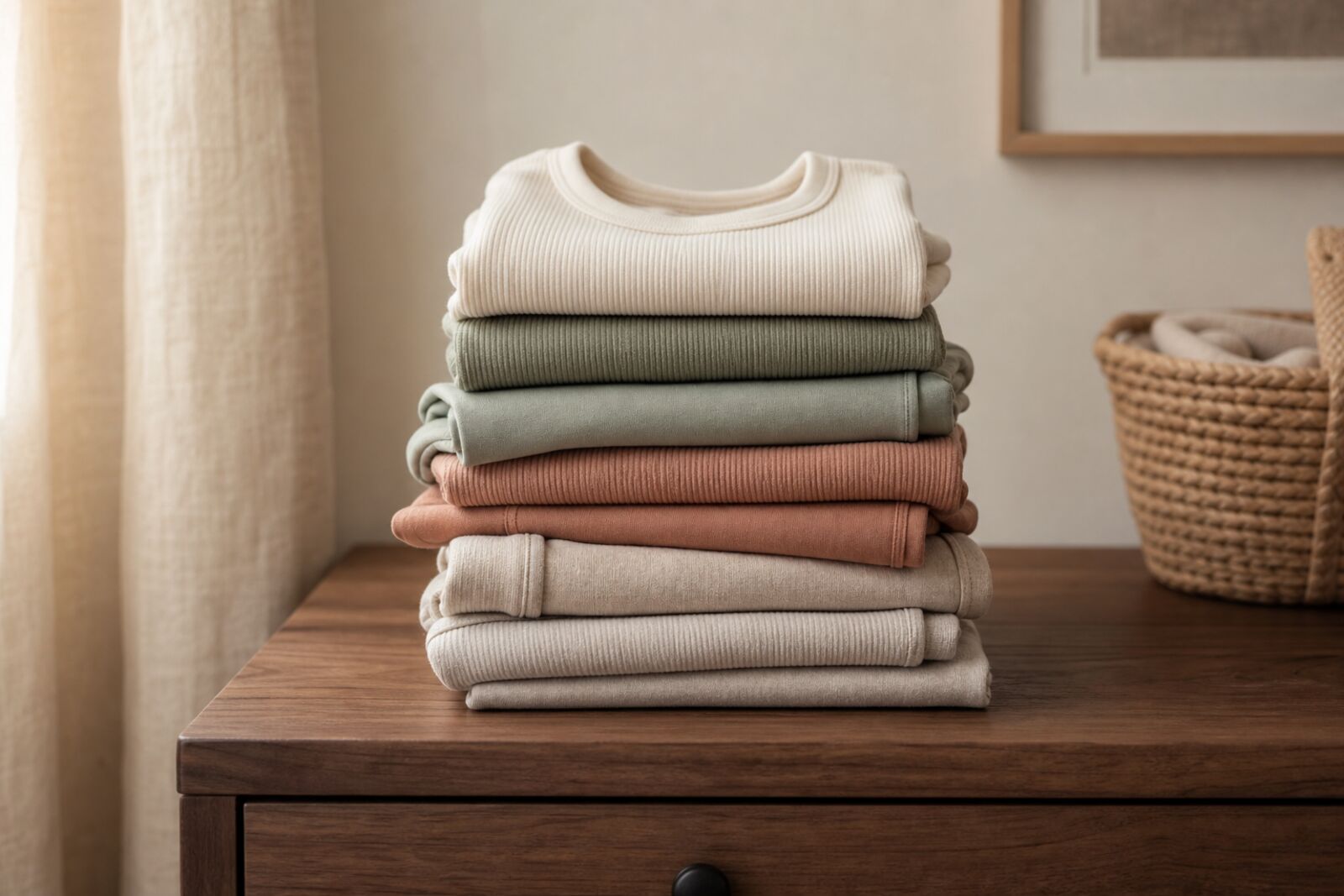
There's a small yellow hang tag doing more quiet work than anything else in the children's department. It's on the snug cotton pajamas, and it says the garment should be worn snug-fitting because it is not flame resistant. Most parents read that as a warning. It's actually the all-clear.
One standard, two ways to pass it
Since the early 1970s, the Consumer Product Safety Commission has required children's sleepwear, sizes 9 months through 14, to meet flammability standards (they live in the federal code as 16 CFR 1615 and 1616). A garment can comply in one of two ways.
Path one: the fabric self-extinguishes in an open-flame test. Path two: the garment is cut snug to the body, within maximum measurements the CPSC specifies at every size, chest, waist, sleeve, all of it.
The logic of path two is plain physics. A loose, billowing nightgown can drift into an ignition source, and the air layer between loose fabric and skin feeds a flame. A snug garment is less likely to touch the flame in the first place and has no air gap to stoke the fire. Fit is the flame retardant.
Babies under 9 months are exempt entirely, on the theory that a child who can't crawl isn't wandering over to a candle or a space heater.
The tris disaster that built the fear
The reason "flame retardant pajamas" still raises hackles is that the fear was, for a few years, completely justified.
In the early 1970s, the new flammability rules pushed manufacturers to treat cotton sleepwear with a chemical called brominated tris. In 1977, chemist Arlene Blum and biochemist Bruce Ames published work in the journal Science showing tris was a mutagen, and evidence showed kids wearing treated pajamas were absorbing it. The CPSC banned tris-treated sleepwear in April 1977.
The sequel is grimly instructive: some makers switched to chlorinated tris, Blum and Ames flagged that one too, and it was pulled from sleepwear as well. A court later overturned the CPSC's ban on procedural grounds, but the chemical never came back to pajamas. The industry had learned the reputational lesson even where the law wobbled. Blum went on to co-found the Green Science Policy Institute, and flame retardant chemistry has been playing defense with scientists ever since.
So the horror story is real. It's also a story about 1977, and buying decisions in 2026 shouldn't be run by it.
What the "flame resistant" rack looks like now
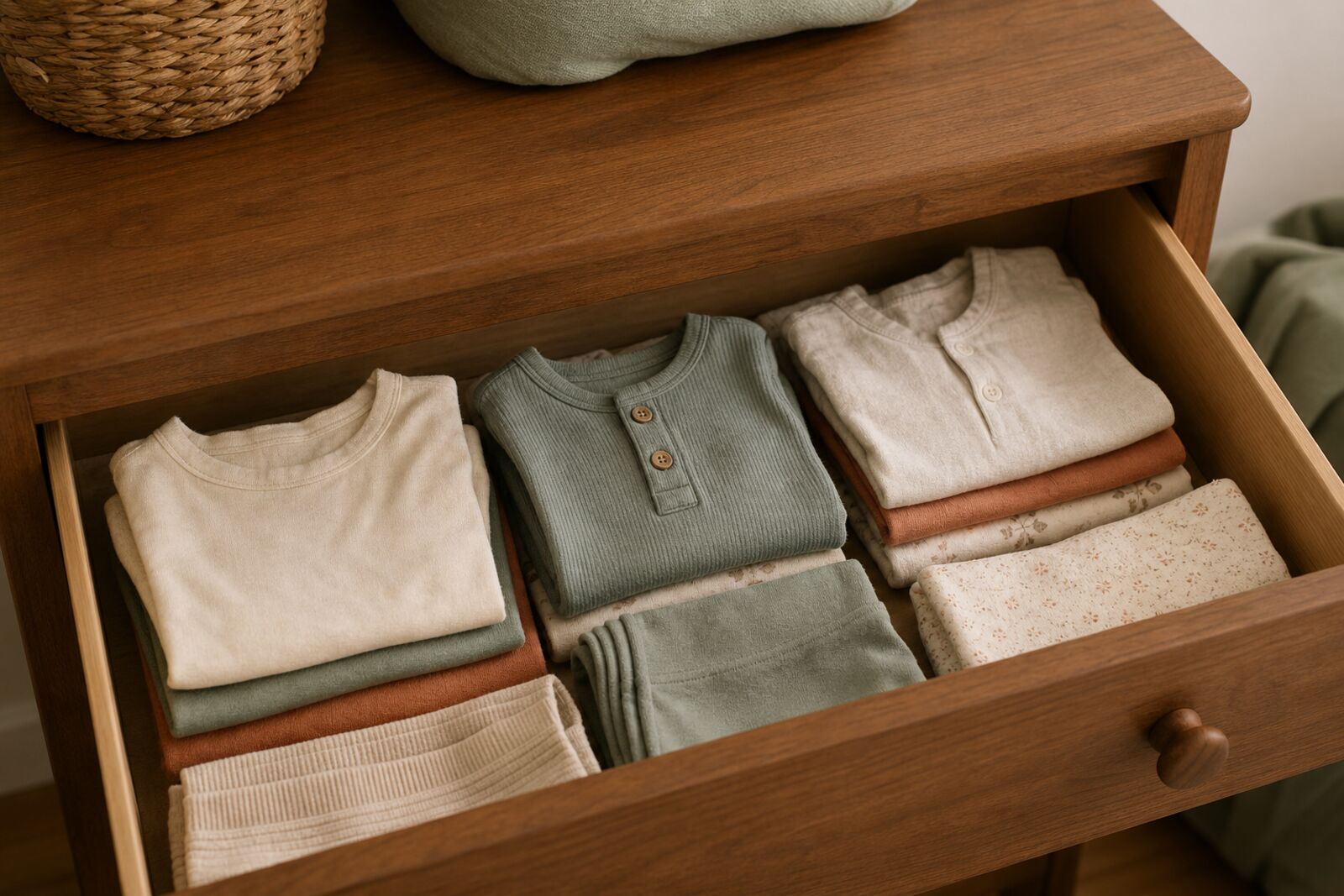
Here's the part the worried blog posts skip: most flame-resistant kids' sleepwear today isn't treated with anything. It's polyester, and polyester can pass the open-flame test on its own because of how the fiber behaves when it meets fire. The loose, fuzzy fleece pajama sets at every big-box store are typically untreated polyester meeting the standard through inherent fiber properties, not through an added chemical bath.
That means the choice in the pajama aisle is mostly not "chemicals versus no chemicals." It's "synthetic fiber versus snug cotton." Polyester pajamas aren't poison; they're plastic fabric, which some kids find sweaty and some parents would rather skip for a garment worn ten hours a night, every night. Reasonable either way.
If a specific garment claims flame resistance and you want to know how it gets there, the manufacturer's answer should be one sentence. A company that can't tell you whether its sleepwear is inherently flame-resistant polyester or chemically treated doesn't deserve the benefit of the doubt.
The yellow tag is the whole cheat code
Snug-fitting sleepwear complies by geometry, so it needs no flame resistance at all, which is why the CPSC requires it to carry that yellow hang tag telling you to wear it snug. Yellow tag plus "100% cotton" on the label equals zero flame retardants, zero polyester, end of investigation. That's the entire method, and it costs nothing.
Two honest caveats. First, snug means snug: sizing up two sizes so the kid can "grow into it" defeats the design that made the garment legal, and the tag says so for a reason. Second, the actual dangerous move is the one that feels most natural, letting a kid sleep in a big loose hand-me-down T-shirt. Loose cotton is exactly the scenario the 1970s standard was written against: it catches, it billows, it burns. The standard looks fussy until you remember what it replaced.
One label trick worth knowing: the standard only covers garments marketed for sleep, so some brands sell loose flannel sets as "loungewear," with a tag stating they're not intended for sleepwear. That tag is a legal disclaimer, not a safety feature. If your kid is going to sleep in it, judge it by the sleepwear rules anyway: snug cotton, or flame-resistant fabric, not loose cotton.
For babies who've crossed the 9-month line, the footed blanket sleepers on every shelf are nearly all polyester fleece, compliant through the fiber itself. A wearable blanket zipped over snug cotton pajamas does the same warmth job in natural fiber, if that's your preference.
If you want names: Hanna Andersson built its reputation on snug-fit organic cotton pajamas that survive multiple children, at prices that will make you exhale sharply. Burt's Bees Baby does the same yellow-tag snug cotton for roughly half the money, with thinner fabric that shows it after a year of washing. Plenty of house brands do it cheaper still; the tag matters more than the logo.
And keep the bedroom boring: working smoke detectors and no space heaters near bedding do more for sleep-time fire safety than any fabric decision.
Bottom line
Buy snug-fitting 100 percent cotton pajamas with the yellow tag, in the size your kid actually wears, and the flame-retardant question disappears entirely. The loose fleece set isn't dangerous either, it's just polyester. The one real mistake is the oversized T-shirt at bedtime.