The short version
- Mercury piles up in big, old predator fish. The FDA and EPA avoid list is seven species long, and you probably eat none of them regularly.
- The two words that solve canned tuna: chunk light. It runs about a third the mercury of albacore.
- Salmon, sardines, anchovies, and trout are the sweet spot: low mercury, high omega-3, cheap in tins.
- Two servings a week is one of the best-supported recommendations in all of nutrition. Not eating fish is the bigger risk for most people.
Stand in front of the canned fish shelf and you can watch people do arithmetic they were never taught. Albacore or light? Wild or farmed? Is tuna once a week fine, or is that the thing you're supposed to worry about?
The honest answer fits on an index card, and most of the card is about eating more fish, not less.
The avoid list is seven fish long
Mercury enters the ocean, bacteria convert it to methylmercury, and it moves up the food chain concentrating at every step. A fish that eats fish that ate fish, and lived twenty years doing it, ends up with a load that a sardine never accumulates. So the risk isn't spread evenly across the seafood counter. It's stacked in a handful of large predators.
The FDA and EPA publish joint advice sorting fish into Best Choices, Good Choices, and Choices to Avoid. The avoid category has seven entries: shark, swordfish, king mackerel, tilefish from the Gulf of Mexico, bigeye tuna, marlin, and orange roughy.
Read that list again. For most households, that's an entire risk category you can dismiss by not ordering swordfish. The advice is aimed hardest at people who are pregnant or breastfeeding and at young children, and for them it's a real avoid, not a suggestion.
The benefits side is unusually well established
Nutrition science is full of findings that wobble when someone runs a better study. "Eat fish twice a week" has held up remarkably well.
The American Heart Association has recommended at least two servings of non-fried fish per week for years, with fatty fish preferred, on the strength of consistent associations with lower cardiovascular risk. The federal fish advice exists in the first place because agencies wanted pregnant women eating more seafood, not less: the same advisory that lists species to avoid also tells pregnant and breastfeeding women to eat two to three servings a week from the Best Choices list, because omega-3s matter for fetal brain development.
That's the part the mercury conversation buries. The default advice from the agencies doing the worrying is eat more fish, from a specific list.
Canned tuna: the two words are "chunk light"
Canned light tuna is mostly skipjack, a small fish that gets caught young. Albacore, sold as white tuna, is bigger and longer lived, and carries roughly three times the mercury of light tuna on average. Same aisle, same price range, three times the difference.
The federal advice follows that split exactly. Canned light tuna sits in Best Choices, up to two or three servings a week. Albacore sits in Good Choices, at one serving a week. One caveat worth knowing: "light" cans sometimes contain yellowfin, which is a mid-tier fish, so if you eat a lot of it, look for skipjack named on the label.
A couple of brands do more than the minimum here. Safe Catch tests each individual tuna for mercury and rejects fish above a limit stricter than the FDA's, which is a genuinely unusual quality-control step. The catch is price and texture, since the low-temperature process yields a firmer, drier tuna than people used to oil-packed chunk light may expect. Wild Planet's skipjack is pole and line caught, and the company reports batch averages well under federal limits, though batch averaging is a weaker guarantee than testing every fish. Both cost more than a store-brand can, and a store-brand can of chunk light is already a low-mercury food.
Worth flagging the disagreement: Consumer Reports has advocated a stricter line than the FDA's, advising pregnant women to skip canned tuna entirely. That's a more cautious reading of the same mercury data, not new evidence. We'd side with the federal advice, which was built around the benefits of seafood in pregnancy as much as the risks, but a pregnant reader who wants the safest path can pick salmon and sardines and lose nothing.
The fish that win on both sides of the ledger
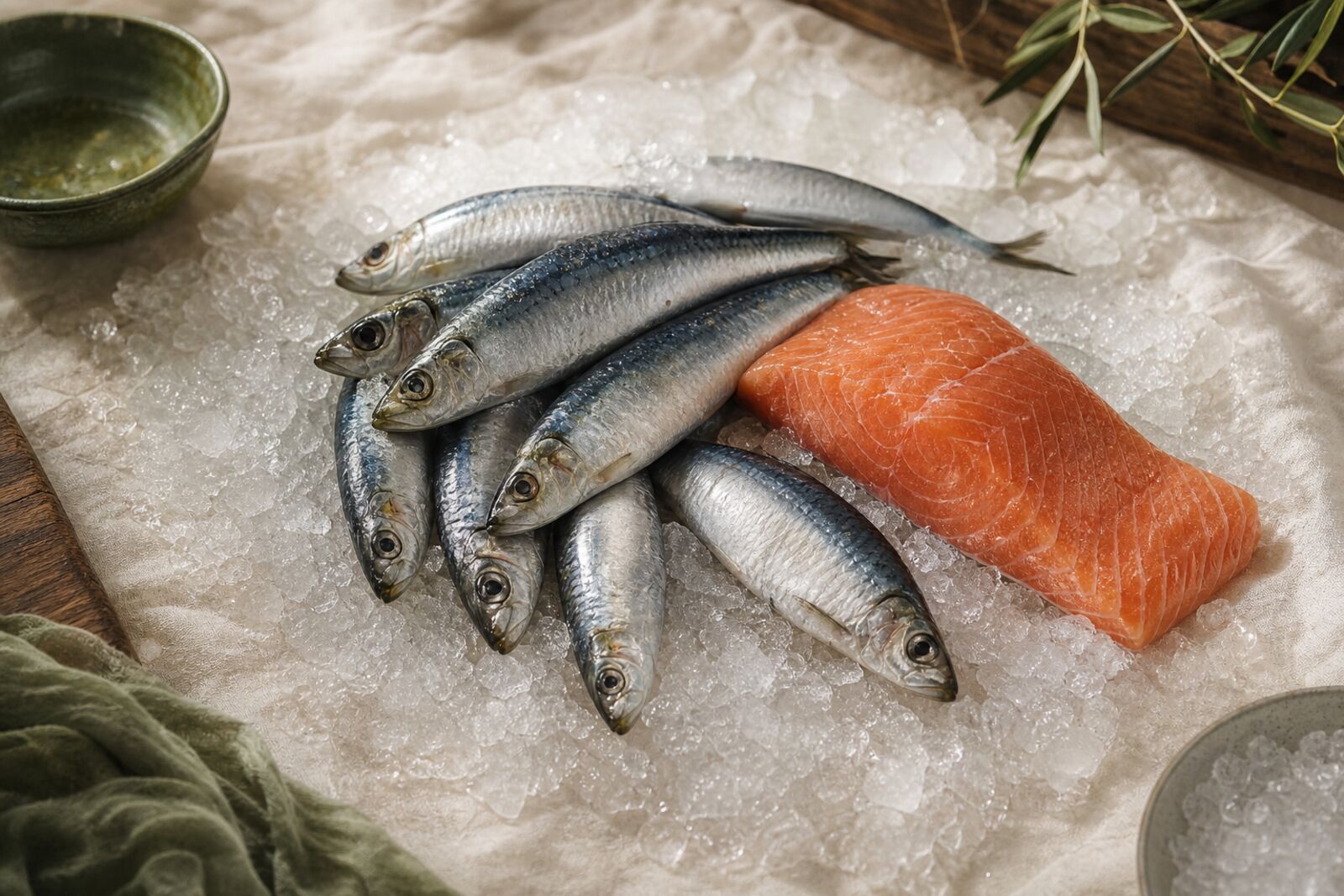
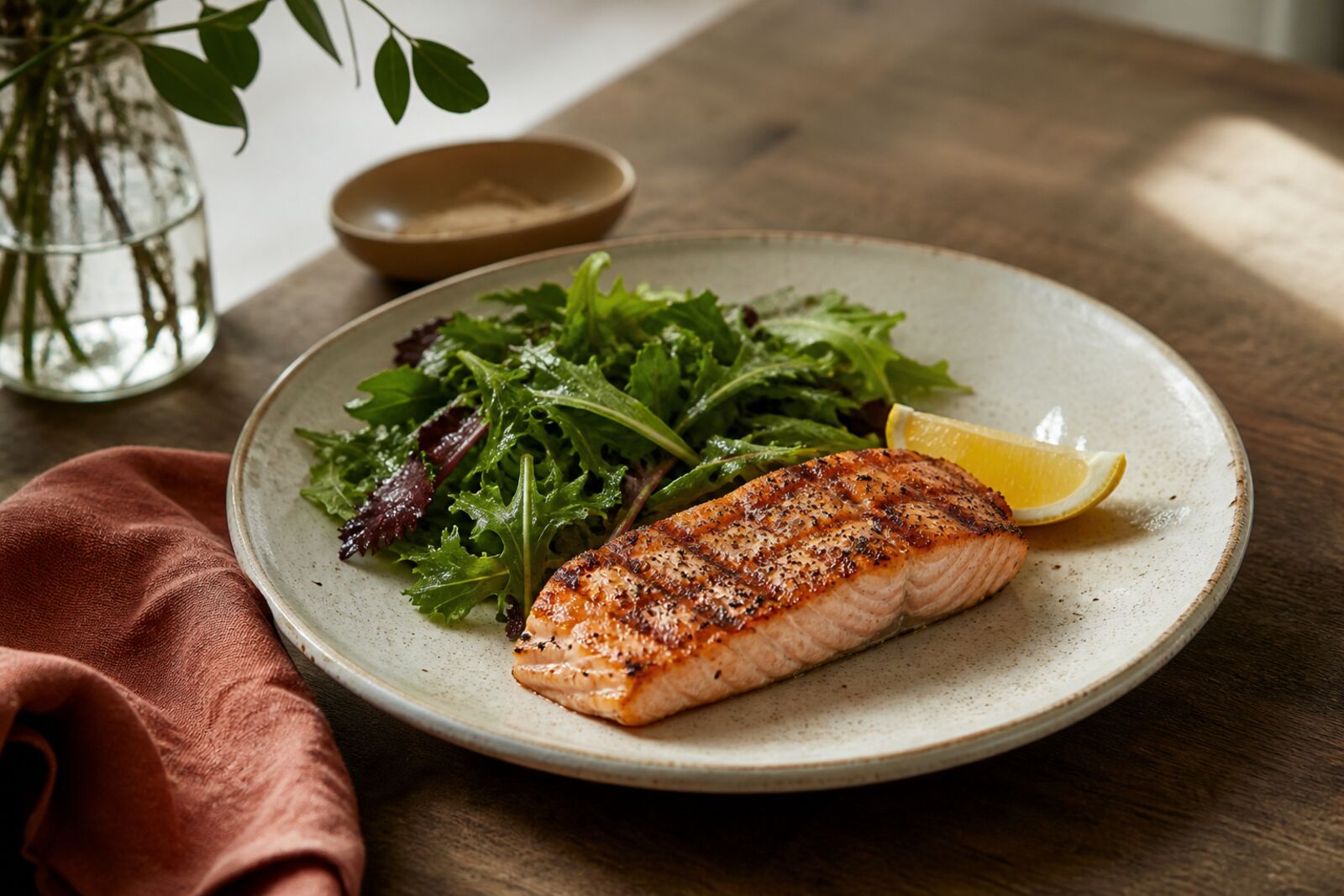
If you want maximum omega-3 for minimum mercury, the answer is small, oily, and generally cheap: salmon, sardines, anchovies, trout, Atlantic mackerel, herring. All sit in the Best Choices tier, all deliver serious omega-3s, and most are available in tins for a few dollars.
Shrimp, tilapia, cod, and pollock are also low mercury, they're just not omega-3 sources worth counting. Fine food, different job.
Canned sardines are the most underrated item in this entire category. Low on the food chain, high in omega-3s and calcium, shelf stable, and priced like a pantry staple rather than a health product.
What about microplastics
They're in seafood. A Portland State study that examined 182 samples of finfish and shrimp found anthropogenic particles in all but two of them, and the same is true of most food and drink anyone has looked at closely.
What that means for human health is genuinely unresolved, and anyone telling you otherwise is ahead of the evidence in one direction or the other. A 2025 review in Environmental Science and Technology Letters made the point we'd underline: seafood is not the dominant source of human microplastic exposure, and avoiding it over plastic worries can trade a well-documented benefit for a hypothetical harm.
The one useful heuristic is that eating lower on the food chain reduces almost everything at once. Small fish carry less mercury, fewer accumulated pollutants, and less of whatever else turns out to matter.
The index card
Two servings a week, mostly from the small and oily list. Chunk light rather than albacore when it's canned tuna. Skip the seven predators, and take that seriously if you're pregnant, nursing, or feeding a young child. Everything else at the counter is detail.
If you eat fish once a month, none of this applies to you and you should be eating more fish. The mercury math only starts to matter at the frequency almost nobody in America actually hits.
Bottom line
Eat two servings a week of salmon, sardines, anchovies, or trout and you've got the whole benefit with essentially none of the risk. Buy chunk light instead of albacore, and treat the seven-fish avoid list as a real rule only if you're pregnant, nursing, feeding kids, or eating those species weekly. Nobody needs to do mercury arithmetic over a can of tuna.