The short version
- "Softness" is a waxy coating of quaternary ammonium compounds deposited on your fabric. It builds up, wash after wash.
- That coating makes towels less absorbent and can reduce the flame resistance of children's sleepwear. The sleepwear part is printed on care labels.
- Quats are recognized asthma triggers in occupational health research, and softeners carry some of the heaviest fragrance loads in the house.
- Wool dryer balls plus half a cup of white vinegar in the rinse replace the whole category. Static is an over-drying problem, not a missing-product problem.
Softness is a coating, not a quality
Fabric softener doesn't make fibers soft. It makes them coated. The active ingredients in nearly all softeners and dryer sheets are quaternary ammonium compounds, "quats" to the people who study them, which are positively charged molecules that bond to fabric and leave behind a thin, waxy, lubricated film. Your towel feels plush because every fiber is wearing a raincoat.
That's the whole trick. It's also the whole problem, because most of what goes wrong with softener follows directly from the coating: fabrics that shed water instead of absorbing it, workout gear that stops wicking, and a residue layer that keeps building with every load.
Liquid softener and dryer sheets are the same product in two delivery systems. The liquid deposits quats during the rinse; the sheet, typically a piece of nonwoven polyester saturated with softener and perfume, melts them onto fabric with heat, which is why a spent sheet feels greasy. The residue doesn't stay on your clothes, either. It films the inside of the dryer, coats the lint screen enough to slow airflow (run water over the screen; if it beads instead of draining, wash the screen with dish soap), and can gum up the moisture sensors many dryers use to decide when a load is done.
The warning is already on the label
You don't have to take our word that the coating does real things to fabric. Federal flammability rules for children's sleepwear require care labels that warn against anything known to degrade flame resistance, and fabric softener is the classic example; that's why flame-resistant pajamas so often say not to use it. A product that can undo a federally mandated safety treatment is not "just adding freshness."
Towel makers say a version of the same thing. The residue that makes a towel feel soft in the store display is the same residue that makes it push water around your back instead of drinking it. If your towels have gotten weirdly slick and useless with age, they may not be worn out. They may be waxed. A few hot washes with plain detergent, no softener, usually brings them most of the way back.
What quats do to lungs, honestly stated
Quats are among the compounds occupational health researchers flag as asthmagens, meaning they can trigger asthma or make it worse. The strongest evidence comes from workplaces, especially healthcare and cleaning workers who handle quat-based disinfectants all day, not from home laundry. We're not going to tell you a dryer sheet is giving you asthma; the dose and exposure are very different, and detectable is not the same as dangerous.
Here's the calculation that actually matters, though. For an exposure to be worth anything, the product has to do something for you. Softener's entire benefit is a scent and a coating you probably don't want. When the benefit is roughly zero, any avoidable exposure loses the math. This is the rare product where the risk column doesn't need to be scary for the verdict to be obvious.
Then there's the perfume. Softeners and dryer sheets carry some of the heaviest fragrance loads in the laundry aisle, engineered to survive heat and cling to fabric for days, and "fragrance" on the label is a legally protected mystery blend. Fragrance mixes are among the most common contact allergens, and softened fabric holds that mix against your skin around the clock. EWG has ranked conventional softeners among the worst products it scores; take EWG's hazard math with the usual salt, but the fragrance-against-skin-all-day point stands on its own.
The replacement kit costs about fifteen dollars, once
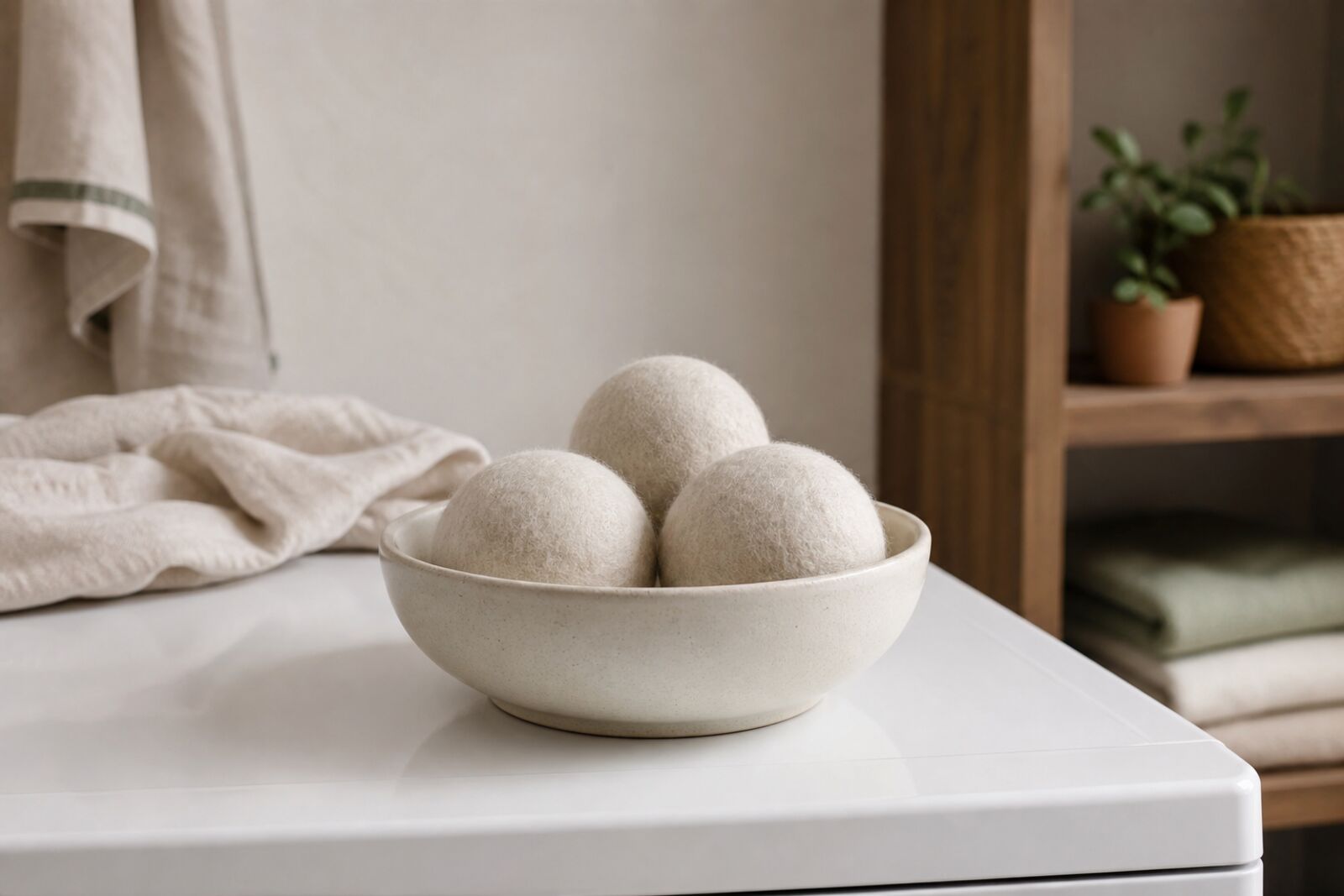
Wool dryer balls do the mechanical part of the job: they tumble between items, separate layers, and soften fabric by physically flexing the fibers while shaving a little time off the cycle. A six-pack from a brand like Smart Sheep runs around $15 to $25 and lasts for years. The honest caveats: they're not silent, they don't perfume anything, and the "add essential oils to the balls" trick is one we'd skip (oil plus a hot dryer is not a combination you want to freelance).
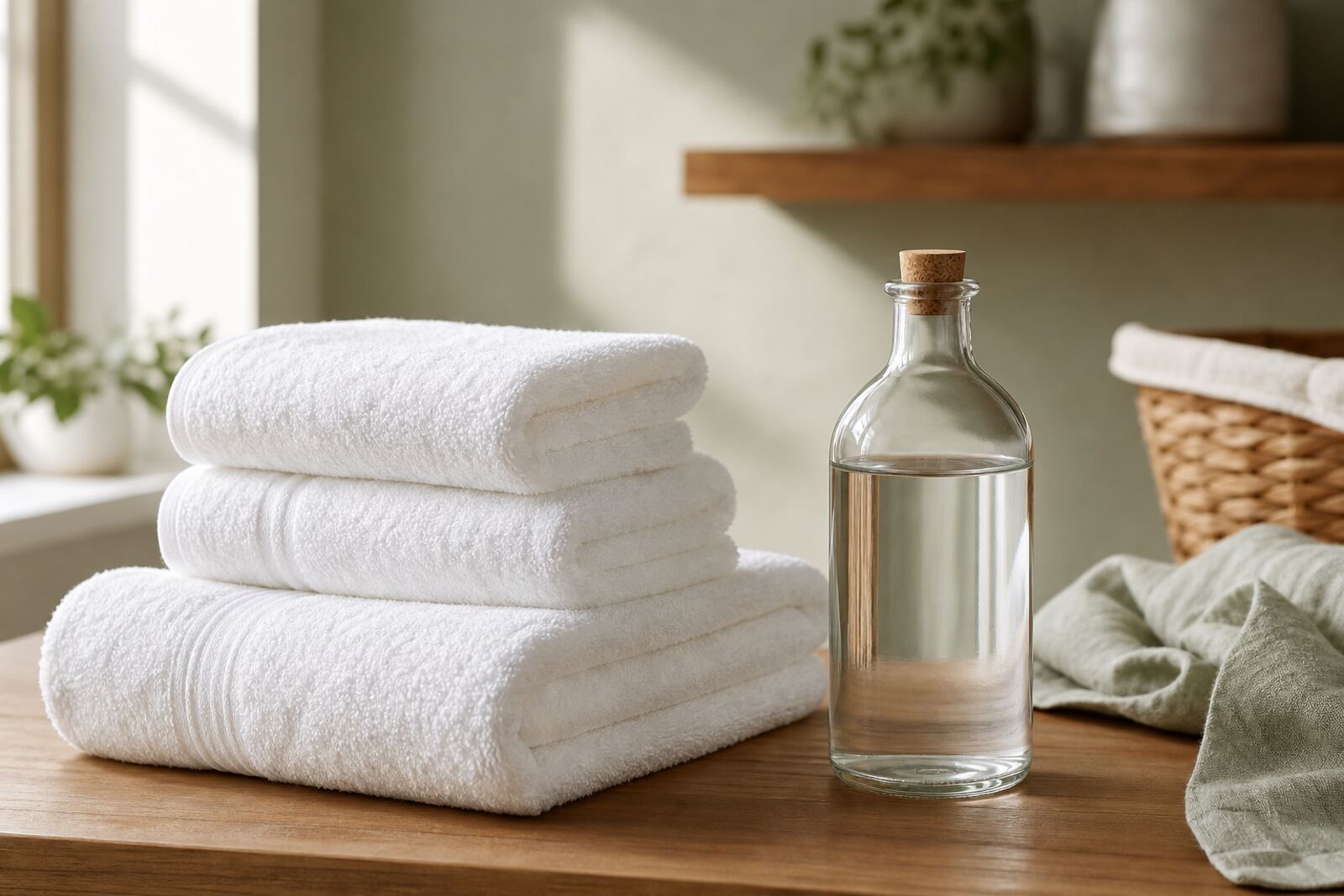
For the wash side, half a cup of plain white vinegar in the rinse compartment softens by helping strip detergent residue rather than adding a new layer on top. The smell does not survive the dryer, we promise. It's pennies per load. Skip it on loads with chlorine bleach, and don't bother splashing it in at the start of the wash, where it just neutralizes your detergent.
If what you'll actually miss is the scent, that's worth being honest about, and it's a fragrance decision rather than a softness one. A fragrance-free softener like Bounce Free & Gentle removes the perfume problem but keeps the coating, so it solves the smaller half. We'd rather you quit the category and let clean laundry smell like nothing, which is what clean smells like.
Static is a dryness problem
The last thing keeping most people on dryer sheets is static, and static has a boring physics explanation: over-dried synthetics rubbing in dry air. Polyester and nylon build charge; cotton mostly doesn't. Take synthetics out while barely damp, use lower heat, or air-dry them entirely, and the crackle disappears without any chemistry. Dryer balls help too, since they shorten drying time and reduce the over-dry window. In winter, a slightly shorter cycle fixes what a decade of sheets never did.
Bottom line
Quit fabric softener and dryer sheets outright, today, cold turkey. You lose a synthetic scent and a waxy coating; you get back absorbent towels, functional workout gear, pajamas that work as designed, and a few dollars a month. Wool dryer balls and a splash of vinegar cover anything you actually miss.